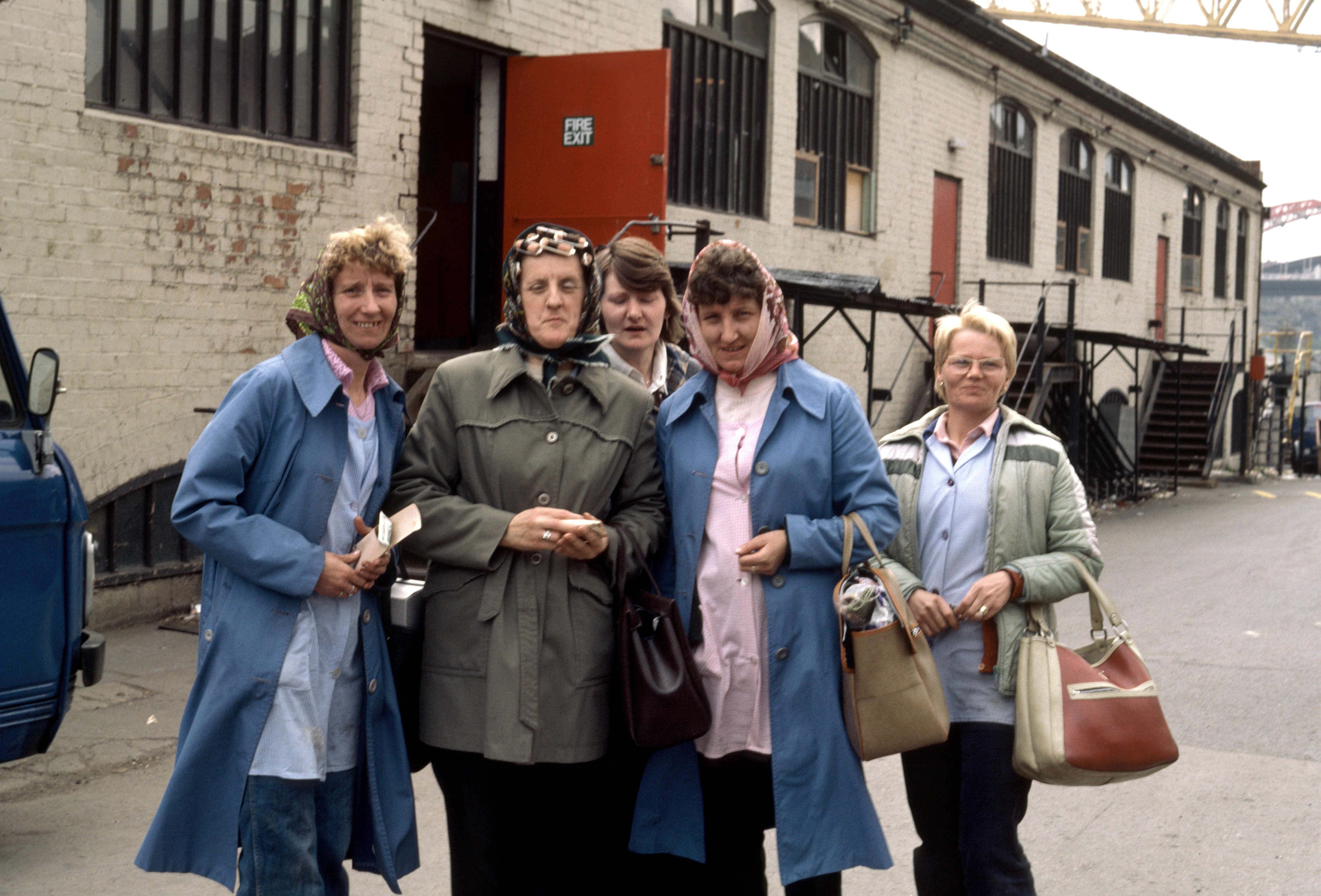
Women in Shipbuilding 1940s-1980s

In 2024/5 Remembering The Past received funding from the Frederick Milburn Trust to examine the experiences of women who worked in the Tyne and Wear Shipyards from the late 1940s to the 1980s.

We decided to focus this work on the postwar period as there is relatively little on the historic record about women’s shipbuilding experience during this time. Whilst British women’s wartime contributions significantly disrupted long-standing social and gender conventions, despite these advances, entrenched attitudes about gendered labour persisted after the war. Most of the women who had worked in heavy industry during the war were forced to leave the workforce shortly after the men returned home, although many women continued to be employed in administrative and cleaning roles. Later, in the 1960s, women were encouraged into roles in the drawing office and other departments.

The women we interviewed worked in a variety of roles including typists and telex operators, press officers and draftswomen and even as the head of the ‘Glove making and Engraving’ department. They describe the work that they did, their participation in the life of the shipyard, the camaraderie found and hardships endured. There are descriptions of changing cultural and social attitudes, the difficult balancing of home and working life and the painful witnessing of the closure of the yards.  Read their stories below.

———–

If you worked in the North East shipyards, then please get in touch with us via our Contact Us page.  We would love to add your story to our collection.

Header Image (C) Sally and Richard Greenhill / Alamy Stock Photo
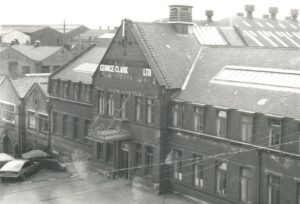
NEM Offices, George Clark Ltd. Wallsend

NEM Offices, George Clark Ltd. Wallsend

Betty Humble’s story

There were a lot of offices [at North Eastern Marine Shipyard in Wallsend]. There was the correspondence where I worked, a little room where the telephonist was and all the ladies used to type.  The boardroom for the directors was upstairs and there was the Comptometers room.

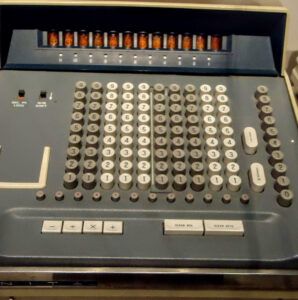
Photo of a comptometer machine

A comptometer machine from the 1960s

Rita Scott’s story – as told by her daughter Liz

My mother’s name was Rita Scott and she was born in 1908 and at the time when shipyards were really low in the 30s, was the only member of the family working and she was a comptometer operator at the Swan Hunter shipyard.

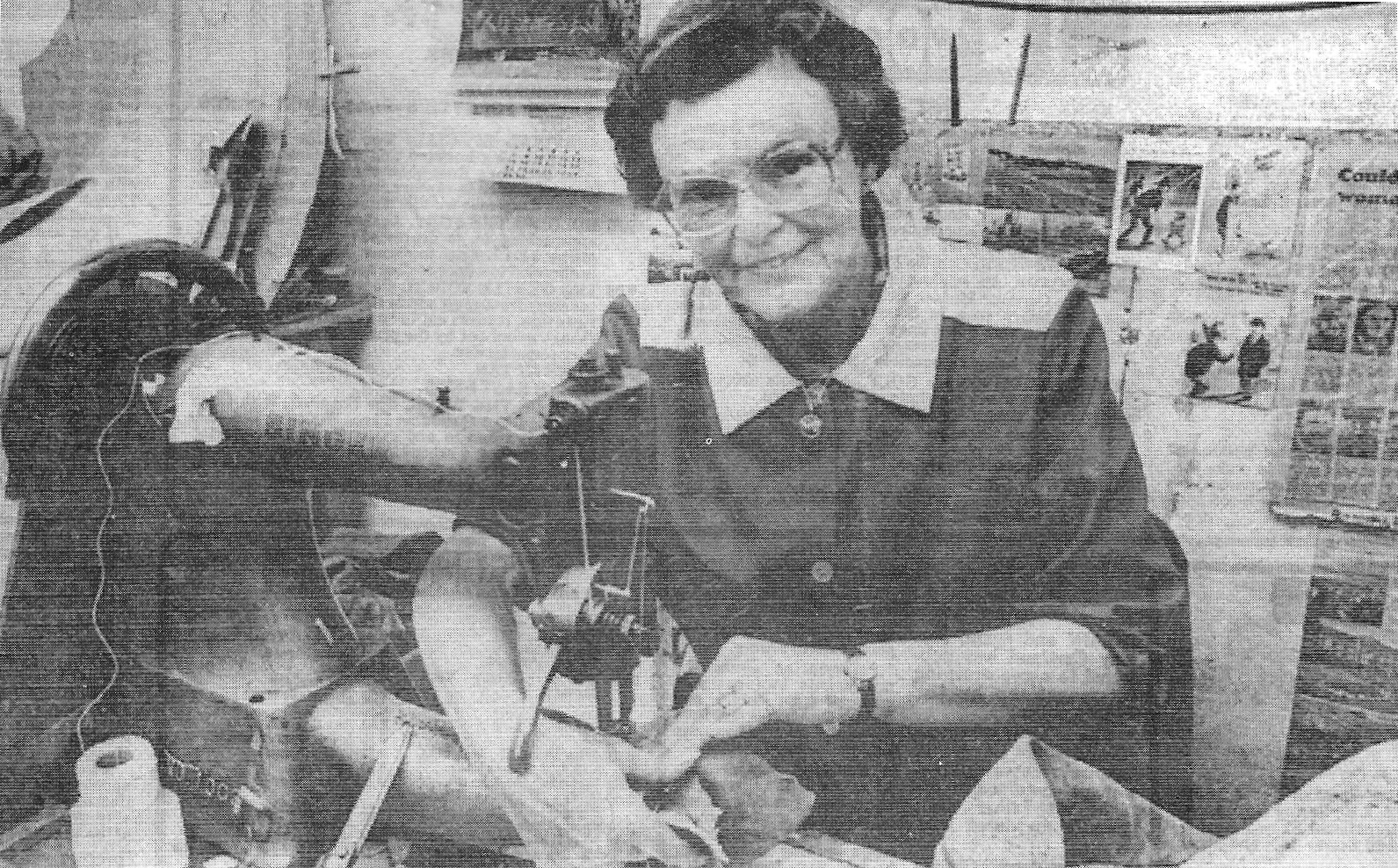
Newspaper photo of Lily Groves working at her sewing machine at Swam Hunters.

Lily Groves working at her sewing machine in her office at Swan Hunter’s shipyard

Lily Groves’ story – as told by her son Tony

Me dad came in this time and he told me mam that they were looking for a part time worker, or a short term worker to make the PPE, the personal protective equipment, for what they called the black trades, so your welders, your burners, your shipwrights, your platers and it just protected them from the sparks when they were working.

A case of drawing instruments

A Case of Drawing Instruments

Norma Miller with husband Geoff

Her mother saw an advert in the Chronicle for a draftswoman.  Norma didn’t know what the job was or anything about it and she went along, and she got the job.  What the shipyard was trying to do was introduce woman into the drawing office.

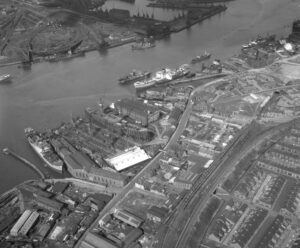
Aerial view of John Readhead and Sons shipyard

Aerial view of John Readhead and Sons Ltd
Image: Tyne & Wear Archives and Museums

Clare Parker’s story

I just remember it was quite a joyous time, and I think probably because we had such a lovely manager, that makes it when you have a nice boss.  I can’t remember taking that much shorthand, I think it was more copy typing and I just remember just being young and just being happy in that time.

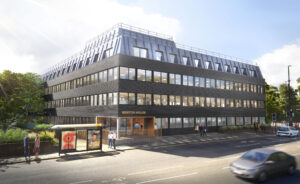
Photo of Benton House on Sandyford Road, former offices of British Shipbuilders

Benton House in Newcastle upon Tyne
former offices of British Shipbuilders

Margaret Henderson’s story

When I started, they were gathering all of the directors from different shipyards because it had been brought under the one umbrella of the government.  They built the new building called Benton House in Jesmond; it’s right on the corner, an orange brand new built and they just brought people up.  There was people from London and everywhere.

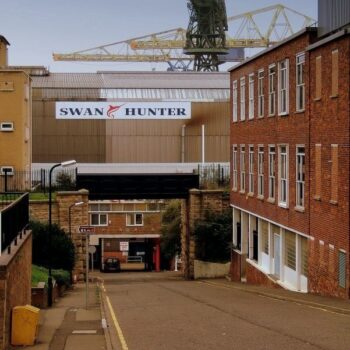
Swan Hunter's Shipyard

Entrance to Swan Hunter shipyard

Diane Pringle’s story

After I graduated from university in Newcastle I stayed in the area.  I worked for a PR firm and one of our clients was Swan Hunter.  They were building Type 22 frigates, so my role was to liaise with journalists.  In those days the dress code was very different, and we were expected to wear skirts and high heels, not such a thing as trouser suits in those days.